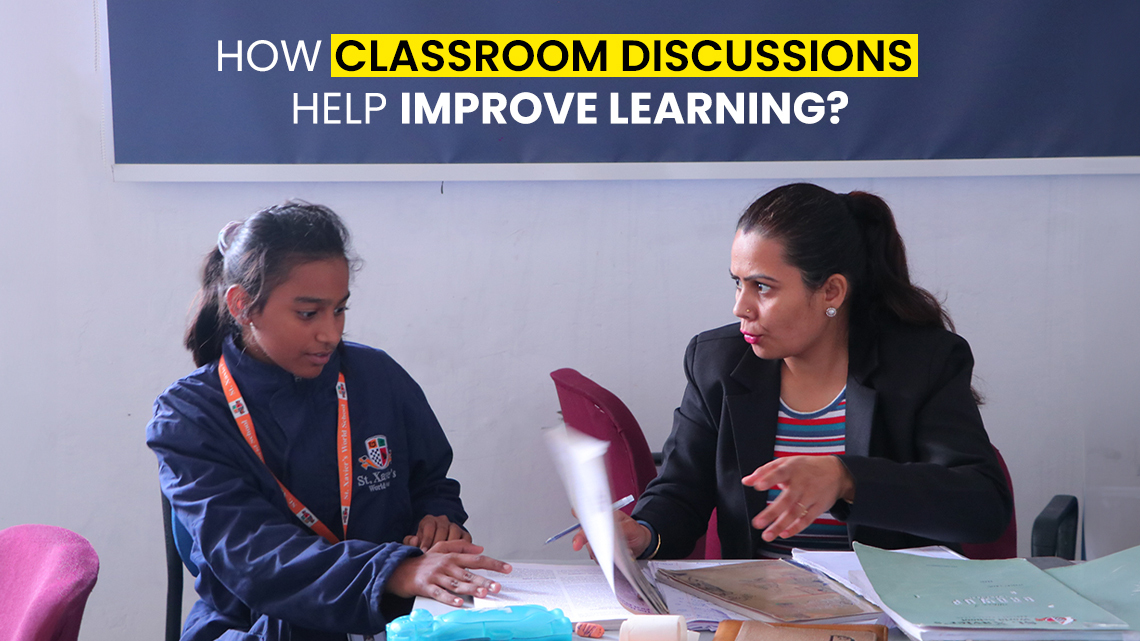
The Importance of Classroom Discussions
How Classroom Discussions Help Improve Learning?
Introduction: The Importance of Classroom DiscussionsClassroom discussions are a crucial part of the modern education system, they help transform the learning process from a one-way teaching method to an interactive experience. Instead of passively listening, students actively engage with ideas, ask questions, and share their perspectives, making learning more meaningful and effective.
Schools like St. Xavier’s World School encourage classroom discussions to enhance learning outcomes, foster student participation, and cultivate an environment where curiosity and understanding thrive.
What Are Classroom Discussions?Classroom discussions refer to the interactions between students and teachers, or among students. These discussions turn the one-way learning process into a two-way learning process, helping students to learn through personalized experiences.
The process of one-way learning blocks the agenda of personalized learning, making the students more introverted and less interested in the teaching session. On the other hand, the process of two-way learning promotes customized learning, making the students more extroverted and engaged in the teaching process.
The process of two-way learning increases students’ participation and open dialogue, making the lecture feel like a discussion between the students and the teacher.
How Classroom Discussions Help Improve Learning OutcomesClassroom discussions help students become active participants in their learning journey rather than passive listeners. When students share ideas, ask questions, and listen to different viewpoints, they gain a deeper understanding of the subject. Here are some points that determine the importance of classroom discussions:
1. Improve Communication SkillsClassroom discussion increases the level of communication in a classroom, and the students participate actively in daily interactions with the teachers and other students, leading to an improvement in their communication skills.
2. Enhances Critical ThinkingDaily classroom discussions encourage students to analyze information, form opinions, and justify their thoughts logically, strengthening problem-solving abilities.
3. Encourages Active LearningClassroom discussions engage students directly in the learning process, helping them think, question, and participate rather than only listening passively.
4. Enhances Academic PerformanceOne-on-one conversations with teachers help improve learning, leading to better comprehension, improved memory, and stronger academic outcomes.
5. Promotes Collaborative LearningGroup discussions foster teamwork, respect for diverse viewpoints, and healthy peer interaction, thereby creating a positive learning environment.
Role of Teachers in Encouraging Classroom DiscussionsTeachers play an important role in encouraging classroom discussions by creating a safe, interactive, and supportive space for students, where they feel comfortable sharing their thoughts and perspectives. By asking open-ended questions and promoting curiosity, teachers encourage students to think critically and participate regularly in discussions.
Teachers guide discussions in a structured manner, ensuring that conversations remain meaningful, respectful, and aligned with learning objectives. By encouraging equal participation, teachers help students develop communication skills, confidence, and a deeper understanding of concepts.
Benefits of Classroom Discussions for Students’ FutureThe effect of classroom discussions does not stop in the school; it goes beyond the school or home; it helps the students in their future jobs or business, improving their communication skills, leadership skills, and interactions with their team or strangers.
Engaging in discussions also enhances critical thinking and problem-solving abilities. Listening to different perspectives encourages students to analyze information, form logical opinions, and defend their viewpoints with reasoning, helping students succeed academically and preparing them to handle complex challenges in their personal and professional lives.
Over time, these experiences make students adaptable, socially aware, and ready to face real-world challenges with confidence and clarity.
Classroom Discussions at St. Xavier’s World SchoolAt St. Xavier’s World School, classroom discussions are an important part of the teaching and learning process. Teachers actively encourage students to participate in open conversations, ask questions, and share their ideas freely during lessons.
St. Xavier’s World School creates a supportive and inclusive classroom environment where every student feels confident to speak without fear of judgment. Through group discussions, debates, and interactive sessions, students learn to listen respectfully, think critically, and articulate their thoughts clearly. These regular classroom discussions help our students build confidence, communication skills, and a strong foundation for academic and personal success.
Conclusion: The Need for Classroom Discussions to Improve Learning OutcomesClassroom discussions play a vital role in shaping confident, thoughtful, and engaged learners. By encouraging open dialogue, critical thinking, and active participation, discussions help students understand concepts deeply while strengthening their communication and leadership skills. This interactive approach prepares students not only for academic success but also for real-life challenges where clear expression and collaboration are essential.
At St. Xavier’s World School, classroom discussions are thoughtfully integrated into daily learning to nurture curiosity, confidence, and holistic development. If you wish to know how our innovative teaching methods can enhance your child’s learning outcomes, contact St. Xavier’s World School today and take the first step toward a brighter, more interactive educational journey.
FAQs: The Importance of Classroom Discussions 1. Why is classroom discussion important?Ans: Classroom discussions are important to help students understand the learning, rather than just reading it.
2. What are the objectives of class discussion?Ans: The objectives of a classroom discussion are to improve communication skills, enhance critical thinking, encourage active learning, enhance academic performance, and promote collaborative learning.
3. What are the benefits of classroom talk?Ans: Classroom discussions help students become active participants in their learning journey rather than passive listeners. When students share ideas, ask questions, and listen to different viewpoints, they gain a deeper understanding of the subject.
4. What is the role of classroom discussions in comprehension?Ans: Class discussions provide a framework for students to think critically out loud about topics being covered in class.
5. How does discussion facilitate learning in the classroom?Ans: Classroom discussion facilitates learning by moving students from passive reception to active processing, encouraging critical thinking, and improving communication.