The Role of Schools in Building a Sustainable Future
Nurturing Eco-Conscious Citizens: The Role of Schools in Building a Sustainable Future
Introduction: Education as the Foundation of Environmental ResponsibilityIn an age where climate change, pollution, and resource depletion dominate global conversations, schools play a transformative role in shaping environmentally responsible citizens. Ecology is no longer just a chapter in a textbook—it is a way of life that must be understood, respected, and practiced daily. At St. Xavier’s World School, Ghaziabad, environmental education goes beyond theory, encouraging students and teachers to become active contributors toward sustainability and societal well-being.
As one of the leading CBSE schools in Ghaziabad, the institution believes that nurturing ecoconscious minds today ensures a healthier, greener tomorrow.
Understanding Ecology: Building Awareness from the Classroom
Ecology teaches us about the delicate balance between living organisms and their environment. When students understand how ecosystems function, they begin to recognize their own role within this interconnected web of life. Environmental education fosters awareness about biodiversity, climate systems, conservation methods, and sustainable living practices.
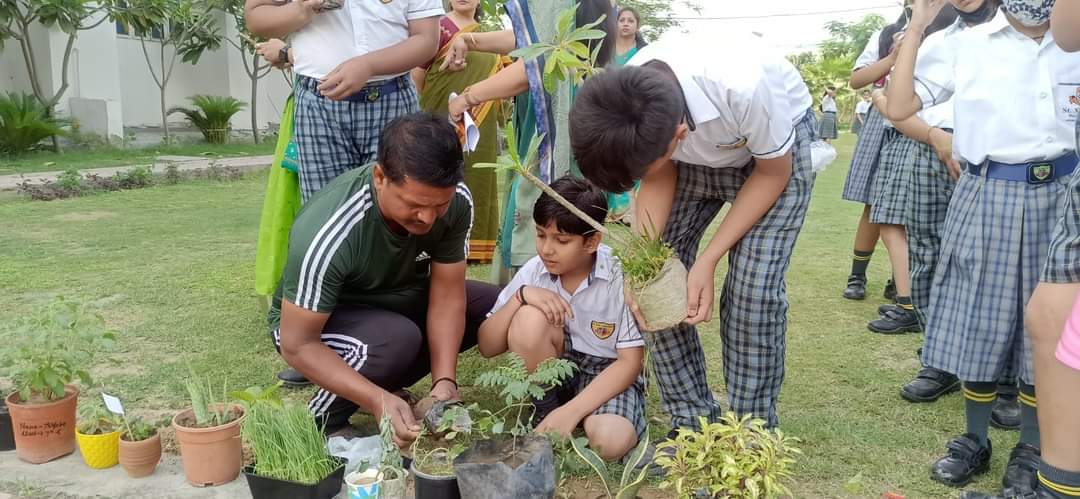
However, awareness alone is not enough. Schools must translate knowledge into action. Class discussions, environmental projects, field visits, and experiential learning opportunities make ecological concepts tangible and relevant. When students participate in activities like tree plantation drives, waste segregation programs, and water conservation initiatives, learning becomes meaningful and impactful.
The Teacher’s Role: Guiding by Example
Teachers are the torchbearers of change. Their influence extends beyond academic instruction to shaping values, attitudes, and behaviors. When educators model eco-friendly practices-such as minimizing paper use, conserving electricity, or promoting reusable materials-they inspire students to adopt similar habits.
At St. Xavier’s World School, teachers integrate sustainability into everyday teaching practices. Whether discussing climate patterns in geography, ecosystems in biology, or environmental ethics in social studies, educators connect academic subjects with real-world environmental challenges.
More importantly, teachers cultivate critical thinking. They encourage students to question unsustainable practices, explore innovative solutions, and develop a sense of responsibility toward nature. By fostering curiosity and empathy, teachers help students understand that environmental conservation is not optional-it is essential.
The Student’s Role: From Awareness to Action
Students are powerful agents of change. Young minds are innovative, adaptable, and capable of influencing families and communities. When students practice eco-friendly habits at school, they carry these behaviors into their homes and neighborhoods.
Simple actions can create significant impact:
1. Turning off lights and fans when not in use.
2. Practicing proper waste segregation.
3. Reducing single-use plastics.
4. Conserving water.
5. Participating in green initiatives.
Beyond individual habits, students can collaborate on larger sustainability projects such as maintaining green spaces on campus, conducting environmental awareness campaigns, or initiating recycling programs. Such initiatives not only protect the environment but also build leadership skills, teamwork, and civic responsibility.
Creating a Green Campus: Practical Learning in Action
A school campus itself can become a living laboratory for ecological learning. Green spaces, gardens, composting units, and rainwater harvesting systems provide students with hands-on experiences in sustainability.
St. Xavier’s World School emphasizes eco-conscious infrastructure and practical environmental management. By incorporating greenery within the campus and promoting responsible waste disposal systems, the school demonstrates that sustainability is achievable through thoughtful planning and collective effort.
When students see sustainability practiced in their immediate surroundings, it reinforces the message that environmental conservation is a shared responsibility.
Environmental Education and Society at Large
The impact of school-based environmental initiatives extends far beyond campus boundaries. Students influence their families, peers, and communities. A child who understands the importance of waste segregation may encourage their household to adopt similar practices. A student aware of water scarcity may advocate for responsible consumption within the community.
Over time, these small yet consistent efforts create a ripple effect, contributing to broader societal transformation. Schools thus become catalysts for sustainable development by nurturing environmentally conscious citizens who make informed choices.
Furthermore, instilling ecological values from an early age helps develop responsible leaders for the future-leaders who prioritize sustainability in business, governance, and everyday life.
Holistic Development Through Environmental Stewardship
Environmental engagement also contributes to students’ holistic development. Participating in conservation activities enhances empathy, teamwork, and problem-solving abilities. Students learn that their actions have consequences, fostering accountability and ethical awareness.
By blending academic knowledge with practical environmental initiatives, schools ensure that education is not confined to examinations but aligned with real-world responsibilities.
Conclusion: Together Towards a Sustainable Tomorrow
The preservation of our environment requires collective commitment. Teachers must inspire, guide, and model responsible behavior. Students must embrace awareness and translate it into action. When both work in harmony, schools become powerful platforms for sustainable change.
At St. Xavier’s World School, Ghaziabad, the commitment to ecological awareness and sustainability reflects a broader vision of nurturing responsible global citizens. By embedding environmental values into education, the school ensures that students are not only academically proficient but also socially and environmentally responsible.
The future of our planet lies in the hands of today’s learners. Through conscious efforts, collaboration, and continuous learning, we can build a greener, healthier, and more sustainable society for generations to come.