Beyond the Classrooms
Beyond the Classroom: How Cultural Activities Shape Confident and Creative Students
Education is much more than academic lessons, examinations and textbooks. It is also about discovering talents, developing values, understanding different perspectives and learning to appreciate the world around us. Cultural activities play an important role in this journey by giving students opportunities to express themselves, explore their interests and connect with their heritage.
From music, dance and theatre to art exhibitions, storytelling and festival celebrations, cultural activities make school life vibrant and meaningful. They nurture creativity, confidence, teamwork and a sense of belonging, helping children develop into well-rounded individuals.
At St. Xavier’s World School, Ghaziabad, we believe that cultural exposure is an essential part of holistic education, providing students with valuable experiences that complement their academic learning.
What Are Cultural Activities in Schools?
Cultural activities are programmes and experiences that introduce students to different forms of art, traditions, languages, customs and heritage. They provide a platform for children to participate, perform, create and learn about the diverse communities that make up our society.
These activities may include classical and folk dance, music performances, drama, poetry recitation, traditional art, literary competitions, exhibitions and celebrations of important festivals.
While extracurricular activities generally extend beyond the academic curriculum and co-curricular activities complement classroom learning, cultural activities focus particularly on artistic expression, heritage, creativity and shared values. Depending on how they are organised, they can be both co-curricular and extracurricular.
Why Are Cultural Activities Important for Student Development?
1. Building Confidence and Creative Expression
Participating in a dance performance, singing competition, school play or art exhibition gives students an opportunity to showcase their abilities. Performing before an audience helps them overcome stage hesitation, improve communication and develop self-confidence.
Creative activities also encourage children to experiment, think independently and discover talents that may not always become visible through traditional classroom learning.
2. Developing Teamwork and Leadership
Most cultural programmes involve collaboration. Whether students are preparing a group dance, organising an exhibition, rehearsing a play or managing an event, they learn to coordinate responsibilities and work towards a common goal.
Such experiences develop leadership, discipline, cooperation, time management and a sense of responsibility.
3. Celebrating Diversity and Inclusion
India's cultural richness is reflected in its languages, traditions, festivals, music, clothing and art forms. Cultural activities help students appreciate this diversity and understand that different customs and beliefs contribute to a shared social fabric.
Learning about different communities encourages respect, sensitivity, tolerance and inclusive thinking-qualities essential for responsible citizenship.
4. Connecting Children with Their Heritage
Traditional music, folk dances, regional literature, handicrafts and storytelling help children understand their cultural roots. These experiences introduce them to the history and values passed down through generations while encouraging pride in India's rich heritage.
Popular Cultural Activities That Make Learning Meaningful
Schools can introduce a wide range of engaging activities to help students explore different dimensions of culture.
Festivals and Traditional Celebrations: Diwali, Christmas, Eid, Gurpurab, Holi and regional festivals offer opportunities to understand traditions, values and the importance of togetherness.
Music, Dance and Theatre: Classical dance forms such as Kathak and Bharatanatyam, folk music, choir performances, drama and storytelling encourage artistic expression and stage confidence.
Literary and Language Activities: Poetry recitation, debates, creative writing, storytelling and reading sessions help students appreciate language and develop communication skills.
Visual and Traditional Arts: Painting, pottery, clay modelling, rangoli, Madhubani, Warli and other traditional art forms introduce children to creative techniques and regional artistic heritage.
Cultural Exhibitions and Dress-Up Days: Events showcasing traditional attire, regional cuisines, textiles, monuments and cultural practices allow students to learn through research, presentation and participation.
Taking Cultural Learning Beyond the School Stage
Cultural education becomes even more meaningful when students connect classroom learning with the world around them. Schools can organise activities that encourage children to explore their surroundings and discover the stories behind everyday experiences.
Students can maintain nature and campus journals, sketch architectural features, visit museums, explore local heritage sites, research traditional textiles or prepare presentations on the music and dance forms of different Indian states.
Such experiential activities combine creativity with observation, research and critical thinking, making learning more engaging and memorable.
The Lasting Benefits of Cultural Participation
The impact of cultural activities extends well beyond school events. Students develop confidence in expressing their ideas, learn to appreciate differences and become more comfortable working with others.
They also discover personal interests, build meaningful friendships and develop a stronger sense of identity. Participation in cultural programmes teaches children that success is not limited to individual achievement; it can also come from collaboration, contribution and shared experiences.
How St. Xavier’s World School Encourages Holistic Growth
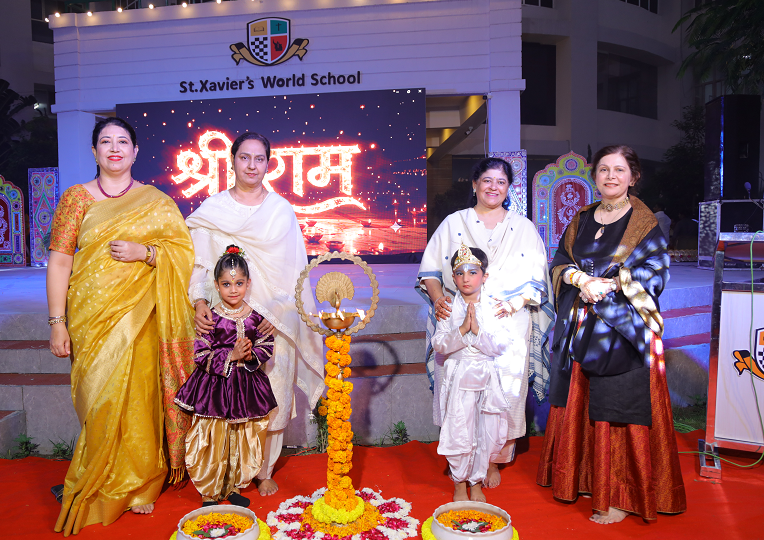
At St. Xavier’s World School, Ghaziabad, education is viewed as a journey of intellectual, creative, social and emotional development. Cultural celebrations, artistic activities, performances and collaborative experiences provide students with opportunities to explore their abilities and appreciate the richness of different traditions.
By encouraging participation and recognising individual talents, the school aims to create an environment where every child gets the opportunity to express, discover and grow.
Conclusion: Celebrating Culture, Nurturing Future Citizens
Cultural activities are far more than entertainment or occasional celebrations. They are valuable learning experiences that shape personality, strengthen values, nurture creativity and develop social awareness.
When schools encourage children to celebrate diversity, respect traditions and express their individuality, they help create confident learners with a broader understanding of the world.
At St. Xavier’s World School, Ghaziabad, we believe that true education nurtures both knowledge and character. By bringing culture into everyday learning, we help students grow into individuals who remain connected to their roots while embracing the opportunities of an increasingly diverse and interconnected world.