Building Healthy Habits at School
Healthy Students, Happier Learners: Building Healthy Habits at School
A healthy child is better prepared to learn, participate, explore and enjoy school life. Good health is not simply about avoiding illness; it is about developing everyday habits that support physical fitness, emotional well-being, concentration and confidence. For students, these habits formed during the school years can become the foundation for a healthier lifestyle in the future.
At St. Xavier’s World School, Ghaziabad, we believe that education goes beyond textbooks and examinations. A supportive school environment should also encourage students to understand their bodies, make healthy choices and develop routines that contribute to their overall well-being.
Why Student Health Matters in Education
When children are tired, dehydrated, poorly nourished or physically inactive, it can affect their ability to concentrate and participate actively in the classroom. Frequent illness may also lead to missed lessons, reduced confidence and difficulty maintaining a consistent learning routine.
Children may not always recognise or communicate early signs of tiredness, stress or discomfort. This makes the partnership between parents, teachers and the school particularly important. Observing changes in a child's energy, behaviour, attendance or participation can help adults respond to concerns at an early stage.
A truly holistic school therefore gives equal importance to learning, health, activity and well-being.
Everyday Habits That Keep Students Healthy
Good health is built through simple habits practised consistently. Students can benefit greatly from paying attention to the following aspects of their daily routine.
Begin the Day with a Nutritious Breakfast
Breakfast provides children with energy for the morning and can support concentration during the school day. A balanced breakfast can include whole grains or other sources of carbohydrates, protein, fruit and healthy fats. Parents can encourage children to choose nutritious options rather than relying regularly on packaged snacks.
Stay Hydrated Throughout the Day
Children can become dehydrated during busy school days, particularly during warmer weather or physical activity. Encourage students to carry a reusable water bottle and drink water regularly rather than waiting until they feel thirsty.
Choose a Balanced Tiffin
A school lunch is an opportunity to introduce children to a variety of nutritious foods. Homemade meals containing vegetables, fruits, grains, pulses, dairy or other protein sources can provide a balanced combination of nutrients. Limiting highly processed snacks and sugary drinks can also encourage healthier eating habits.
Make Physical Activity Part of the Routine
Learning should not mean sitting all day. Regular physical activity helps children stay active and provides an opportunity to refresh their minds. Sports, games, cycling, walking, swimming, yoga and simple outdoor play can all contribute to physical fitness while encouraging teamwork and confidence.
Creating a Health-Conscious School Environment
Schools play an important role in making healthy choices easier for students. Wellness should not be restricted to an annual health camp or a special awareness day. It should be reflected in everyday school routines.
Some useful practices include:
Regular physical education and sports activities
Opportunities for movement and active breaks
Safe drinking water and hygienic washroom facilities
Clean and well-maintained classrooms and common areas
Age-appropriate health and hygiene awareness
Adequate opportunities for rest and recreation
Conversations around emotional well-being and healthy routines
Such practices help students understand that looking after their health is an everyday responsibility.
Helping Students Understand Healthy Choices
Children are more likely to adopt healthy habits when they understand why those habits matter. Schools can use interactive activities, posters, demonstrations, workshops, storytelling and classroom discussions to make health education engaging.
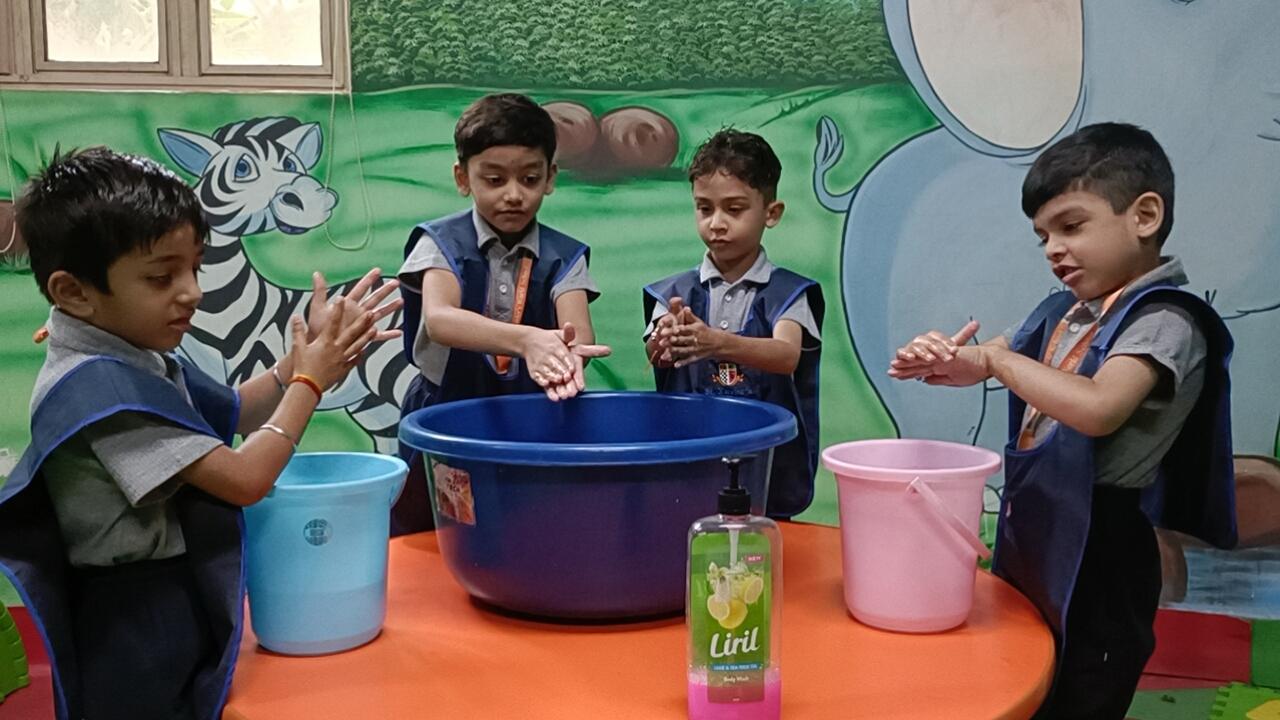
Simple lessons on handwashing, personal hygiene, posture, nutrition, hydration, physical activity and responsible screen use can have a lasting impact.
Making Healthy Habits Fun
Healthy living does not have to feel like a list of rules. Turning wellness into enjoyable activities can motivate students to participate.
The Healthy Habit Challenge
Students can maintain a weekly chart tracking simple habits such as drinking enough water, eating fruit, participating in outdoor play or getting adequate sleep. The emphasis should be on awareness and consistency rather than competition.
The 20-20-20 Eye Care Rule
For students who spend considerable time using digital screens, the 20-20-20 approach is a useful reminder: after about 20 minutes of screen use, look at something around 20 feet away for 20 seconds. Regular breaks can also encourage students to move away from screens and change their visual focus.
Fruit and Nutrition Days
A designated fruit or healthy-food day can introduce children to different fruits and nutritious foods while making healthy eating a shared classroom experience. Such activities can also encourage curiosity about nutrition.
The Importance of the Parent-School Partnership
Healthy habits are most effective when the messages children receive at school are reinforced at home. Parents and teachers can work together by sharing observations about a child's energy levels, attendance, eating habits, participation and overall behaviour.
If a child frequently appears unusually tired, unwell or withdrawn, early communication between home and school can help identify whether further attention is needed.
Building a Healthier Future, One Habit at a Time
Student wellness does not require complicated solutions. Nutritious food, adequate hydration, sufficient sleep, personal hygiene, regular physical activity, responsible screen use and emotional support can make a meaningful difference to a child's everyday experience.
At St. Xavier’s World School, Ghaziabad, health and well-being form an important part of creating an environment where students can learn, grow and participate with confidence. By nurturing healthy habits from an early age, schools and families can help children become more aware, responsible and resilient individuals.