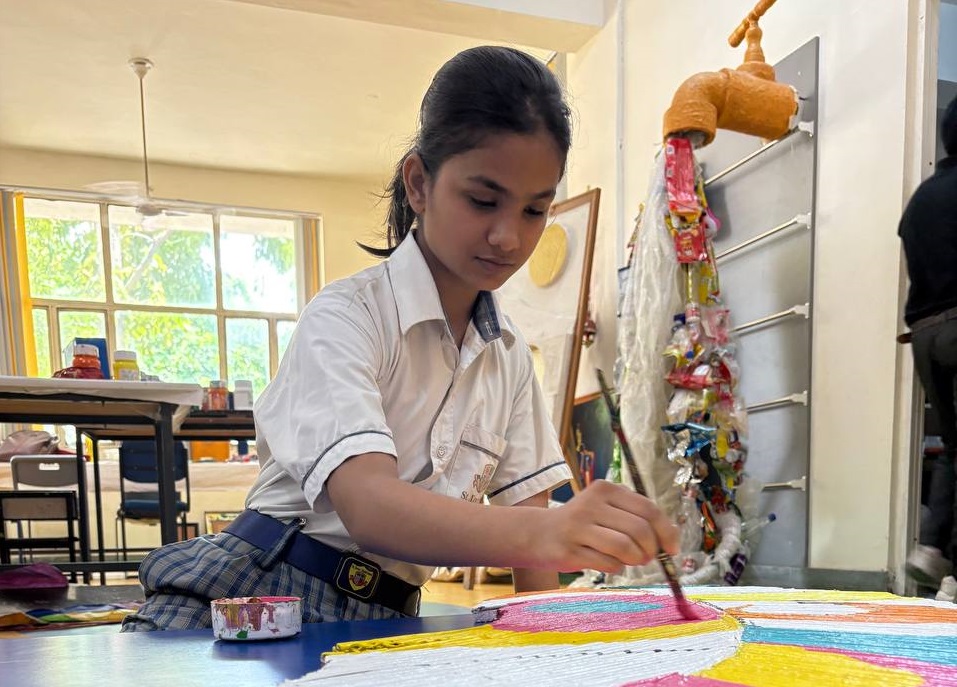
Choosing the Right School
Choosing the Right School: A Comprehensive Guide for Parents at St. Xavier’s World School, Ghaziabad
Selecting the right school for your child is one of the most significant decisions you will make as a parent. A school does far more than deliver academic lessons — it shapes confidence, character, social skills, and long-term aspirations. In today’s rapidly evolving educational landscape, choosing a school requires thoughtful evaluation beyond rankings and reputation.
At St. Xavier’s World School, Ghaziabad, we believe that informed decisions create confident futures. Here is a comprehensive checklist to help parents identify a school that nurtures academic excellence while supporting holistic growth.
Why Choosing the Right School Matters
A school is a child’s second home. It influences how students think, communicate, solve problems, and engage with the world. The right environment encourages curiosity, builds resilience, and fosters independence.
Modern education is no longer limited to textbooks. It integrates experiential learning, digital literacy, life skills, and emotional well-being. Therefore, parents must assess how effectively a school prepares students not just for exams, but for life.
1. Curriculum and Academic Philosophy
The curriculum defines how and what students learn. A strong academic framework should go beyond memorization and encourage analytical thinking, creativity, and real-world application.
Parents should ask:
Does the school promote experiential and project-based learning?
Are students encouraged to question, explore, and innovate?
Is conceptual clarity prioritized over rote learning?
A well-designed curriculum develops critical thinking and prepares students to adapt confidently to future challenges.
2. Quality and Expertise of Teachers
Teachers are the heart of any institution. Experienced and well-trained educators make learning engaging and meaningful. They do more than complete syllabi — they mentor, guide, and inspire.
Look for schools where teachers:
Encourage participation and open discussions
Adapt to different learning styles
Provide constructive feedback
Build strong student-teacher relationships
A supportive teacher can significantly influence a child’s academic performance and emotional development.
3. Infrastructure and Learning Facilities
Modern infrastructure enhances the learning experience. Well-equipped classrooms, science and computer laboratories, libraries, and activity spaces allow students to explore subjects practically.
During a campus visit, observe:
Cleanliness and maintenance
Classroom environment and seating arrangements
Availability of technology-enabled learning tools
Sports facilities and open spaces
A thoughtfully designed campus contributes to both academic focus and overall well-being.
4. Focus on Holistic Development
Academic excellence is important, but balanced development is essential. Schools must provide opportunities for intellectual, emotional, physical, and social growth.
Holistic education includes:
Sports and physical fitness programs
Arts, music, and cultural activities
Leadership and public speaking opportunities
Community engagement initiatives
Students who engage in diverse activities develop confidence, teamwork, and leadership skills - qualities that extend far beyond the classroom.
5. Student Safety and Well-Being
Safety remains a top priority for every parent. A good school ensures both physical security and emotional support.
Key considerations include:
Secure campus with trained staff
CCTV surveillance and monitored entry points
Safe and reliable transportation
Counseling and emotional support systems
Emotional well-being is equally important. Schools that promote inclusivity, kindness, and open communication create a safe and nurturing atmosphere for students.
6. Parent–School Partnership
Transparent communication between parents and the school fosters trust and collaboration. Regular updates, parent-teacher meetings, and accessible communication channels allow families to stay involved in their child’s academic journey.
When parents and educators work together, students receive consistent guidance and encouragement both at school and at home.
7. Indicators of a High-Quality School
Certain signs reflect the strength of an institution:
Consistent academic achievements
Active student participation in competitions and events
Positive feedback from students and parents
Visible student engagement during classroom visits
A culture that celebrates effort, improvement, and values
These indicators provide insight into the school’s environment and its commitment to excellence.
8. What to Observe During a School Visit
A campus visit offers valuable insights that brochures cannot capture. While touring the school, notice:
How teachers interact with students
Whether students appear confident and engaged
Cleanliness and organization of facilities
Availability of learning resources
Overall atmosphere and discipline
The energy of a campus often reveals whether it is a place where children feel motivated and supported.
9. Importance of Extracurricular Activities
Extracurricular programs are not optional add-ons; they are essential components of education. Participation in sports, performing arts, debates, clubs, and social initiatives builds resilience and social skills.
These activities:
Enhance teamwork and leadership
Reduce academic stress
Improve time management
Encourage creativity
A balanced school experience ensures students develop into well-rounded individuals.
10. Preparing Students for the Future
The world is changing rapidly. Schools must equip students with future-ready skills such as communication, adaptability, digital literacy, and problem-solving.
An institution that blends academic rigor with innovation, life skills, and emotional intelligence prepares children to succeed in higher education and beyond.
Key Takeaways for Parents
When choosing a school, prioritize:
A strong, concept-driven curriculum
Qualified and caring teachers
Safe and modern infrastructure
Opportunities for extracurricular growth
Transparent parent-school communication
A positive, value-driven school culture
When these elements come together, children thrive academically, socially, and emotionally.
A Final Thought
Choosing the right school is an investment in your child’s future. It requires thoughtful research, campus visits, and meaningful conversations. The goal is not simply to secure admission, but to find an environment where your child feels inspired, supported, and empowered to grow.
At St. Xavier’s World School, Ghaziabad, we believe education is about nurturing potential, shaping character, and building confident learners ready to embrace the opportunities of tomorrow.