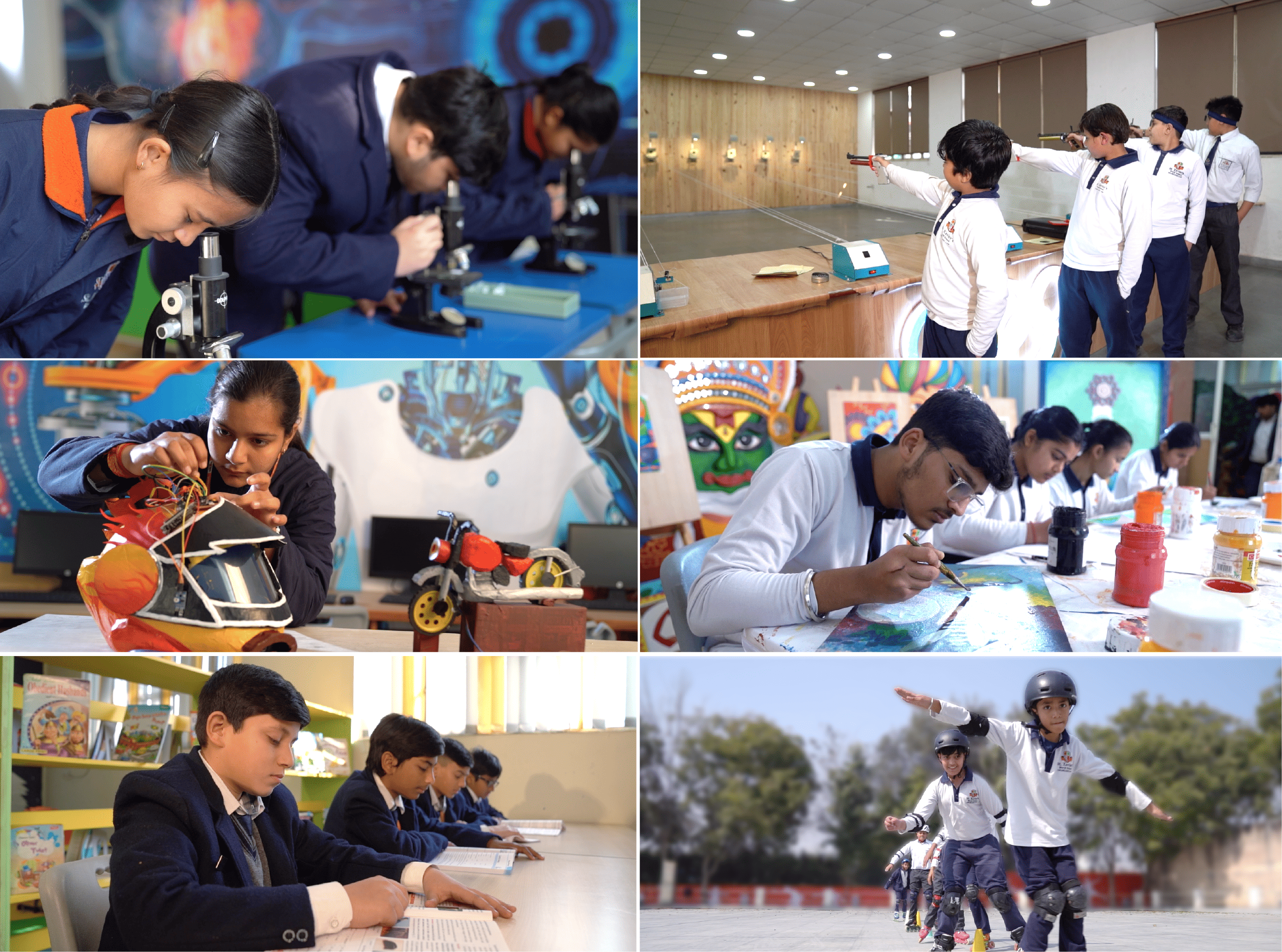
Co Scholastic Activities
Beyond the Classroom: Why Co-Scholastic Activities Are Essential for Holistic Student Development
Education today is no longer confined to textbooks, examinations, and classroom lessons. A truly meaningful education aims to develop the whole child-academically, physically, socially, emotionally, and creatively. This is why co-scholastic activities have become an important part of the modern school experience.
For parents looking for a CBSE school in Ghaziabad, it is worth considering how much importance a school gives to activities beyond academics. Sports, music, dance, art, public speaking, cultural activities, clubs, and competitions provide students with opportunities to discover their abilities while developing essential life skills.
At St. Xavier’s World School, Ghaziabad, co-scholastic activities complement classroom learning and encourage students to explore their interests, express themselves confidently, and grow into well-rounded individuals.
What Are Co-Scholastic Activities?
Co-scholastic activities are learning experiences that complement the academic curriculum. They give students opportunities to develop skills and interests that may not always be fully explored through conventional classroom teaching.
These activities can include:
Sports and physical education
Music, dance, and theatre
Art, craft, and creative activities
Debate, elocution, and public speaking
Quizzes and subject-related clubs
Cultural programmes and celebrations
Exhibitions, competitions, and group projects
Leadership and community-oriented activities
When thoughtfully integrated into school life, these experiences make education more engaging and meaningful.
Building Confidence Beyond the Classroom
Confidence develops through experience. When students participate in a debate, perform on stage, compete in a sporting event, or present a project, they learn to overcome hesitation and express themselves.
Repeated participation helps students become more comfortable communicating with others. They learn to accept feedback, handle mistakes, and appreciate their own progress.
These experiences can strengthen communication, self-expression, leadership, and interpersonal skills-qualities that are valuable both inside and outside school.
Encouraging Creativity and Independent Thinking
Academic subjects often require students to understand concepts and apply knowledge. Coscholastic activities add another dimension by giving them freedom to experiment and create.
Painting, music, dance, theatre, creative writing, craft, and other artistic pursuits encourage imagination. Students learn that there can be multiple ways to approach a problem or express an idea.
This creative mindset can also support academic learning by encouraging curiosity, innovation, and independent thinking.
Promoting Physical Fitness and Healthy Habits
With increasing exposure to digital devices and sedentary lifestyles, physical activity is more important than ever. Sports, yoga, athletics, dance, and other forms of physical education encourage students to remain active.
Regular physical activity can contribute to better stamina, concentration, coordination, and overall well-being. Sports also introduce children to important values such as discipline, perseverance, teamwork, and sportsmanship.
A balanced school routine gives students opportunities to care for both their minds and bodies.
Learning the Value of Teamwork
Many co-scholastic activities involve collaboration. Whether students are playing on a sports team, preparing a performance, participating in a group project, or organising a school event, they learn how to work with others.
These experiences teach students to listen to different perspectives, share responsibilities, resolve disagreements, and contribute towards a common goal.
Such social skills become increasingly important as students move into higher education, professional environments, and wider society.
Discovering Hidden Talents and Interests
Academic performance is only one way of understanding a child's abilities. Every student has a unique combination of interests, strengths, and talents.
A child who may be hesitant during classroom discussions could discover confidence through theatre. Another student may find a passion for painting, music, football, dance, coding, or public speaking.
Co-scholastic activities create opportunities for students to explore these possibilities. Early exposure to different activities can also help children understand their interests and make more informed choices as they grow.
Creating a Healthy Break from Academic Pressure
Students need opportunities to learn, but they also need opportunities to relax, play, create, and connect. Co-scholastic activities provide a healthy balance to academic routines.
Sports can energise students, while music and art can provide creative expression. Group activities can strengthen friendships and create a sense of belonging.
This balance can help students return to their academic work with renewed energy and motivation.
Developing Leadership and Responsibility
School activities can provide students with meaningful opportunities to take responsibility. House activities, clubs, competitions, performances, and events can allow students to organise, coordinate, communicate, and lead.
Such experiences teach valuable qualities including decision-making, accountability, time management, initiative, and teamwork.
Leadership does not always mean being the loudest person in the group. It can also mean listening carefully, supporting others, taking responsibility, and helping a team achieve its goal.
Supporting Academic Success Through Life Skills
Co-scholastic activities may not always be directly connected to a textbook, but the skills developed through them can support academic success.
Students who participate regularly can learn to manage their time, remain disciplined, work towards goals, communicate effectively, and respond constructively to setbacks.
Activities such as quizzes, chess, debates, and project-based competitions can also strengthen analytical thinking, problem-solving, concentration, and decision-making.
Preparing Students for a Changing World
The future requires more than subject knowledge. Students need communication, creativity, collaboration, adaptability, leadership, and emotional resilience.
Co-scholastic activities provide a practical environment where these skills can develop naturally. They allow students to learn through participation, experience success and failure, and understand the importance of persistence.
This makes co-scholastic education an important part of preparing children for life beyond school.
A Holistic Approach to Education at St. Xavier’s World School
At St. Xavier’s World School, Ghaziabad, education is viewed as a journey of exploration and growth. Academic learning is complemented by opportunities for students to participate in sports, creative pursuits, cultural activities, competitions, and other experiences that contribute to their overall development.
The objective is not simply to create student