Growing Green Minds
Growing Green Minds: Building Environmental Literacy and Sustainability in Children
Introduction: Why Environmental Education Matters TodayThe world our children will inherit is facing unprecedented environmental challenges. Climate change, pollution, biodiversity loss, and resource depletion are no longer distant concerns—they are realities that will shape future generations. As a result, environmental literacy has become as important as traditional academic learning.
Environmental literacy is the ability to understand how natural systems work, recognize the impact of human actions on the environment, and make responsible choices that contribute to a sustainable future. When children develop environmental awareness from an early age, they become more responsible, empathetic, and proactive citizens.
At St. Xavier’s World School, Ghaziabad, we believe that education should prepare students not only for successful careers but also for responsible citizenship. By integrating sustainability into everyday learning, we can nurture environmentally conscious individuals who are equipped to make a positive difference in the world.
The Importance of Environmental Literacy in ChildhoodChildren are naturally curious about the world around them. They ask questions, explore their surroundings, and learn through observation. Environmental education builds on this curiosity by helping them understand the relationship between people, nature, and sustainable living.
Teaching sustainability offers numerous benefits:
Develops responsibility and environmental awareness
Encourages critical thinking and problem-solving
Promotes healthy outdoor activities
Strengthens respect for natural resources
Builds lifelong eco-friendly habits
More importantly, children who understand environmental issues are more likely to become adults who actively contribute to protecting the planet.
Learning Through Nature: The Power of Gardening
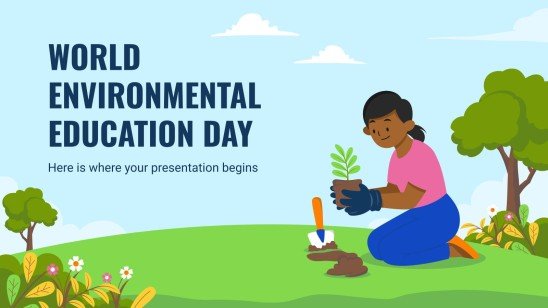
One of the most effective ways to teach sustainability is through hands-on experiences. Gardening allows children to connect directly with nature and understand the origins of food, water, and natural resources.
When students plant seeds and care for them, they learn valuable lessons about patience, responsibility, and the interconnectedness of life. Watching a small seed grow into a healthy plant helps children appreciate the effort required to nurture living things.
School gardens can also introduce important concepts such as:
Organic farming
Water conservation
Soil health
Biodiversity
These experiences transform environmental education from a classroom lesson into a meaningful personal journey.
Building Everyday Habits Through the 5 R’s
Sustainability begins with daily choices. One simple yet powerful framework for children is the concept of the 5 R’s:
Refuse
Avoid unnecessary items such as single-use plastics and excessive packaging.
Reduce
Use fewer resources by minimizing waste and conserving energy.
Reuse
Find ways to use items multiple times rather than discarding them.
Repurpose
Transform old or unused materials into something useful and creative.
Recycle
Sort waste responsibly so materials can be processed into new products.
By incorporating these practices at home and school, children learn that even small actions can contribute to a healthier environment.
Composting: Understanding Nature’s Recycling System
Children often find it fascinating that food scraps and garden waste can be transformed into nutrient-rich compost. Composting introduces students to one of nature’s most important processes -the cycle of decomposition and renewal.
Through composting activities, children learn:
How organic waste breaks down naturally
The importance of reducing landfill waste
How compost enriches soil and supports plant growth
Interactive projects such as creating compost bins or maintaining school gardens provide practical experiences that strengthen environmental understanding.
Students can also participate in eco-friendly activities like making bird feeders, planting native species, or creating habitats for beneficial insects. Such projects encourage responsibility toward local ecosystems and wildlife.
Stories That Inspire Environmental Responsibility
Young children often learn best through stories. Books, animations, and educational videos can simplify complex environmental topics and make them relatable.
Stories about forests, oceans, wildlife, and conservation efforts help children:
Develop empathy for nature
Understand environmental challenges
Recognize the importance of sustainable choices
Narratives have the power to spark imagination and inspire action. A child who reads about protecting endangered animals or preserving forests is more likely to develop a personal commitment to environmental stewardship.
Encouraging Scientific Observation and Curiosity
Environmental literacy thrives when children are encouraged to observe and question the world around them.
Simple activities such as:
Maintaining nature journals
Recording weather patterns
Observing plant and animal life cycles
Monitoring seasonal changes
help students develop scientific thinking and deeper environmental awareness.
These observations teach children that nature is constantly changing and interconnected. They begin to recognize patterns, ask meaningful questions, and understand ecological relationships.
Creative projects such as building insect hotels from recycled materials or creating small biodiversity corners can further deepen their appreciation for local ecosystems.
Creating Sustainable Spaces for Learning
Children learn best when sustainability becomes part of their everyday environment. Schools and homes can serve as living examples of environmentally responsible practices.
Simple green initiatives may include:
Energy conservation practices
Rainwater harvesting demonstrations
Indoor plant projects
Waste segregation systems
Eco-friendly classroom activities
When students actively participate in these initiatives, sustainability becomes more than a concept -it becomes a habit.
At St. Xavier’s World School, we believe that learning environments should inspire students to think about how their choices impact the world around them.
Preparing Future Environmental Leaders
The goal of environmental literacy is not simply to teach facts about climate change or conservation. It is to empower students to become thoughtful decision-makers and responsible global citizens.
Children who understand sustainability are more likely to:
Make environmentally conscious choices
Respect natural resources
Support community initiatives
Lead positive change in society
As future leaders, innovators, and citizens, today’s students will play a critical role in creating a more sustainable world.
Conclusion: Nurturing a Greener Future
Environmental education is no longer an optional addition to learning-it is an essential life skill. By teaching children about sustainability through hands-on experiences, observation, creativity, and everyday practices, we help them develop a deeper connection with the natural world.
At St. Xavier’s World School, Ghaziabad, we are committed to fostering environmental awareness and responsible citizenship among our students. Through meaningful learning experiences, we encourage young minds to appreciate nature, adopt sustainable habits, and become active contributors