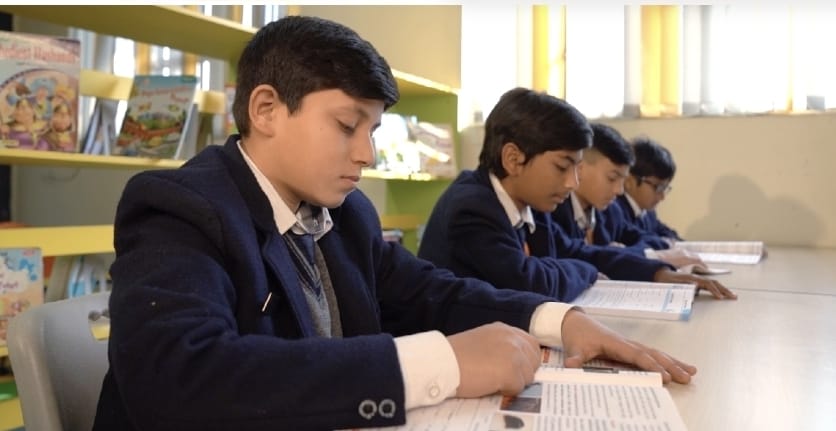
How Reading Books Builds Better Learners
Turning Pages Instead of Screens: How Reading Books Builds Better Learners
In today's technology-driven world, digital devices have become an essential part of education, communication, and entertainment. Students use laptops, tablets, and smartphones for online classes, research, assignments, and connecting with friends. While technology has transformed learning for the better, excessive recreational screen time can affect children's concentration, creativity, sleep patterns, and overall well-being.
The solution is not to eliminate technology altogether but to create a healthy balance. One of the simplest and most rewarding ways to achieve this is by encouraging children to develop a lifelong habit of reading books. At St. Xavier's World School, Ghaziabad, we believe that books remain one of the most powerful tools for nurturing curious minds, confident communicators, and lifelong learners.
Why Reading Remains Timeless
Unlike fast-paced digital content, books encourage children to slow down, think deeply, and immerse themselves in ideas. Every story, poem, biography, or informational book introduces young readers to new perspectives, cultures, and experiences.
Reading stimulates imagination in ways that passive screen consumption cannot. Instead of watching characters and scenes unfold on a screen, children create vivid mental images, strengthening their creativity and analytical thinking. This active engagement helps build stronger cognitive abilities and fosters a genuine love for learning.
Building Stronger Thinking and Learning Skills
Books are excellent companions for intellectual development. Regular reading enhances vocabulary, improves language skills, strengthens comprehension, and develops logical reasoning.
As students read, they naturally learn to:
Analyse situations and solve problems.
Improve concentration and attention span.
Strengthen memory and information retention.
Develop critical thinking and decision-making abilities.
Express ideas more confidently in speech and writing.
These skills not only contribute to academic excellence but also prepare students to become independent thinkers capable of making informed decisions.
Reading Supports Emotional Growth
Books do more than educate-they help children understand themselves and others.
Through stories, students experience different emotions, cultures, and life situations. They learn empathy by seeing the world through the eyes of diverse characters. They discover courage through inspiring stories, resilience through challenges, and kindness through meaningful relationships.
Unlike the constant notifications and distractions of digital platforms, reading offers a peaceful and reflective experience. Spending even twenty minutes with a good book can help children relax, reduce stress, and improve emotional well-being.
Replacing Passive Screen Time with Purposeful Reading
Not all screen time is harmful. Educational technology has become an important part of modern classrooms, helping students research, collaborate, and develop digital literacy. The key is ensuring that recreational screen time does not replace meaningful offline activities.
Parents can encourage healthier habits by:
Creating a daily family reading routine.
Keeping books easily accessible at home.
Visiting libraries and book fairs together.
Allowing children to choose books based on their interests.
Setting aside screen-free hours before bedtime.
Discussing stories to make reading more interactive and enjoyable.
These small habits gradually transform reading into a rewarding part of everyday life.
The School's Role in Creating Lifelong Readers
Schools play a vital role in nurturing reading habits from an early age. At St. Xavier's World School, Ghaziabad, reading is viewed as an essential component of holistic education rather than simply an academic requirement.
Our students are encouraged to explore a wide variety of books through classroom libraries, storytelling sessions, reading activities, literary events, and creative discussions. These experiences help children develop curiosity, imagination, communication skills, and a lifelong appreciation for literature.
By making reading enjoyable instead of compulsory, children naturally begin to see books as trusted companions rather than assignments.
Preparing Children for a Balanced Digital Future
The future belongs to students who can think critically, communicate effectively, and adapt confidently to change. While digital literacy is an essential life skill, so is the ability to focus deeply, analyse information thoughtfully, and learn independently.
Books nurture these qualities by encouraging patience, reflection, imagination, and intellectual curiosity. They teach children to seek knowledge beyond instant online answers and to develop the habit of lifelong learning.
A Story That Lasts a Lifetime
Every page a child reads adds to their knowledge, confidence, and character. By balancing technology with the timeless habit of reading, parents and schools can help children enjoy the best of both worlds.
At St. Xavier's World School, Ghaziabad, we strive to create an environment where technology enhances education, but books continue to inspire imagination, deepen understanding, and shape thoughtful, compassionate individuals. Because every great reader becomes a better learner—and every great learner is prepared for a brighter future.