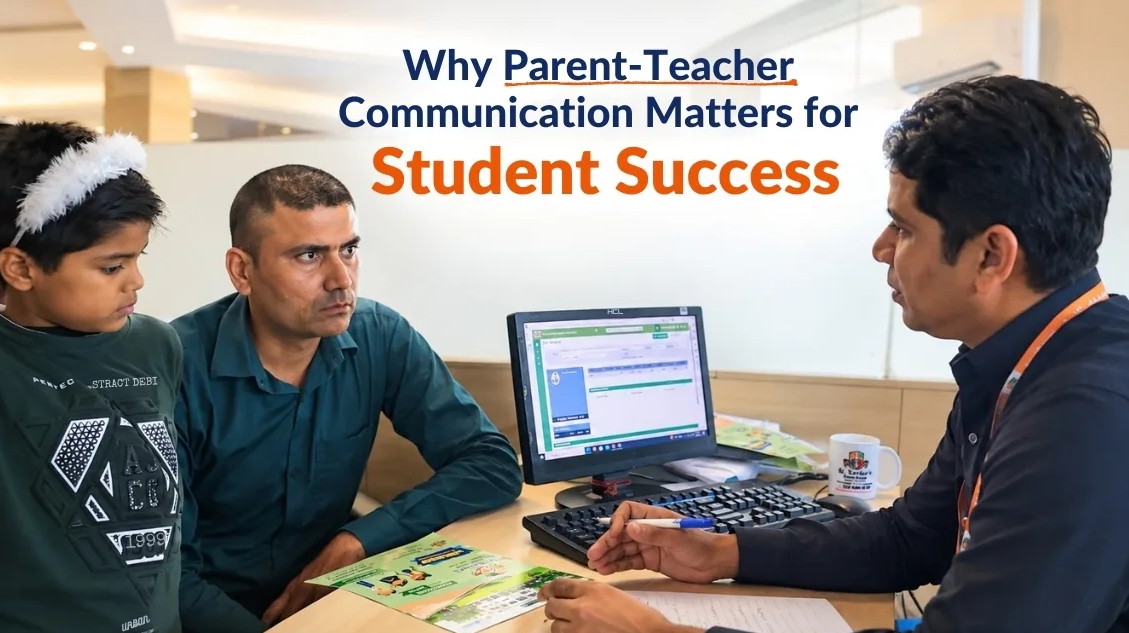
Importance of Parent Teacher Communication
The Importance of Parent-Teacher Communication for Student Success
Parents and teachers are both important parts of a child’s life; they help children grow, learn, and succeed. When parents and teachers collaborate, they enhance a student's academic performance, behaviour, and confidence.
Regular communication between parents and teachers helps create a consistent learning environment where children feel understood and encouraged at home and at school. It also lets parents and teachers share valuable observations and work toward shared goals. In this blog, we explore the importance of parent-teacher communication and how it support student success.
What Is Parent-Teacher Communication?
Parent-teacher communication means parents and teachers regularly exchange information about a child's academic progress, behaviour, learning needs, and overall development.
This communication can take place through parent-teacher meetings, phone calls, emails, school apps, progress reports, or informal discussions. Parents can share observations about their child's interests, habits, and challenges at home, while teachers can provide feedback on classroom participation, academic performance, and social interactions.
What are the Benefits of Parent-Teacher Communication?
Here are some benefits of parent-teacher communication:
1. Helps Track Academic Progress
Regular communication between parents and teachers helps track a student's progress at home and at school. Teachers can share updates on classroom participation, assignments, test results, and areas needing improvement. Parents can use this information to support learning at home, encourage consistent study habits, and help their child work toward academic goals.
2. Identifies Learning Challenges Early
Every child learns differently; some may need extra support with studying, while others may grasp topics quickly. Through regular discussions with parents, teachers identify difficulties such as trouble understanding concepts, completing assignments, or staying focused in class.
3. Supports Positive Behaviour and Discipline
When parents and teachers communicate openly, they can understand the reasons behind certain behaviours better and encourage positive habits. By maintaining consistent expectations around discipline, responsibility, respect, and time management, both can help children develop self-control and make better decisions in different situations.
4. Strengthens Emotional Support
Growing up, children may experience stress, anxiety, friendship difficulties, or changes in motivation. Teachers may notice changes in classroom behaviour, while parents may observe similar signs at home. Sharing these observations helps adults understand a child's needs and respond with appropriate encouragement.
5. Builds a Stronger Home-School Partnership
When parents and teachers communicate regularly, they develop a shared understanding of the child's educational needs and goals. Parents gain a clearer picture of classroom expectations, while teachers learn more about the child's interests, routines, and circumstances outside school.
6. Encourages Student Confidence and Motivation
Children are motivated when they see that their parents and teachers are interested in their progress. Recognising achievements, celebrating small improvements, and providing constructive feedback can encourage students to keep learning and trying new things.
How Can Parents Improve Communication With Teachers?
Here are some ways for parents to improve communication with teachers:
1. Attend Parent-Teacher Meetings Regularly
A parent-teacher meeting is one of the best ways for parents to discuss a child's academic performance, classroom behaviour, strengths, and areas for improvement. Attending these meetings regularly helps parents and teachers build a strong relationship, stay informed and address concerns before they become bigger challenges.
2. Share Relevant Information About the Child
Parents should discuss any changes in their child's routine, interests, learning habits, or behaviour that may affect classroom performance.
3. Ask Questions and Listen Actively
Parents and teachers should ask each other questions about the student’s behaviour across different topics, subjects, and classroom participation.
4. Maintain Respectful and Open Communication
A healthy parent-teacher relationship depends on mutual respect and a willingness to understand different perspectives. Parents should discuss concerns calmly, avoid making assumptions, and focus on finding solutions that benefit the child and vice versa.
5. Use Appropriate Communication Channels
Parents can stay connected with teachers through scheduled meetings, school communication apps, emails, or other official channels the school provides.
6. Follow Up on Agreed Actions
Communication becomes more effective when discussions lead to practical steps. If parents and teachers agree on strategies to improve study habits, manage behaviour, or address learning difficulties, parents should follow through at home and share updates when needed.
Conclusion: Working Together for Every Child's Success
Effective parent-teacher communication plays an important role in a child's academic, social, and emotional development. By sharing feedback, identifying learning challenges early, and encouraging positive behaviour, parents and teachers can create a supportive environment where students feel confident and motivated to learn.
Regular meetings, open discussions, and consistent follow-ups can strengthen the home-school relationship. When both work toward common goals, children receive better guidance and encouragement throughout their educational journey. At St. Xavier’s World School, a strong partnership between parents and teachers can help create a positive learning experience that supports every child's growth and success.
FAQs: Importance of Parent-Teacher Communication
1. Why is parent-teacher interaction important?
Ans: Parent-teacher communication a student advance toward their academic and life goals.