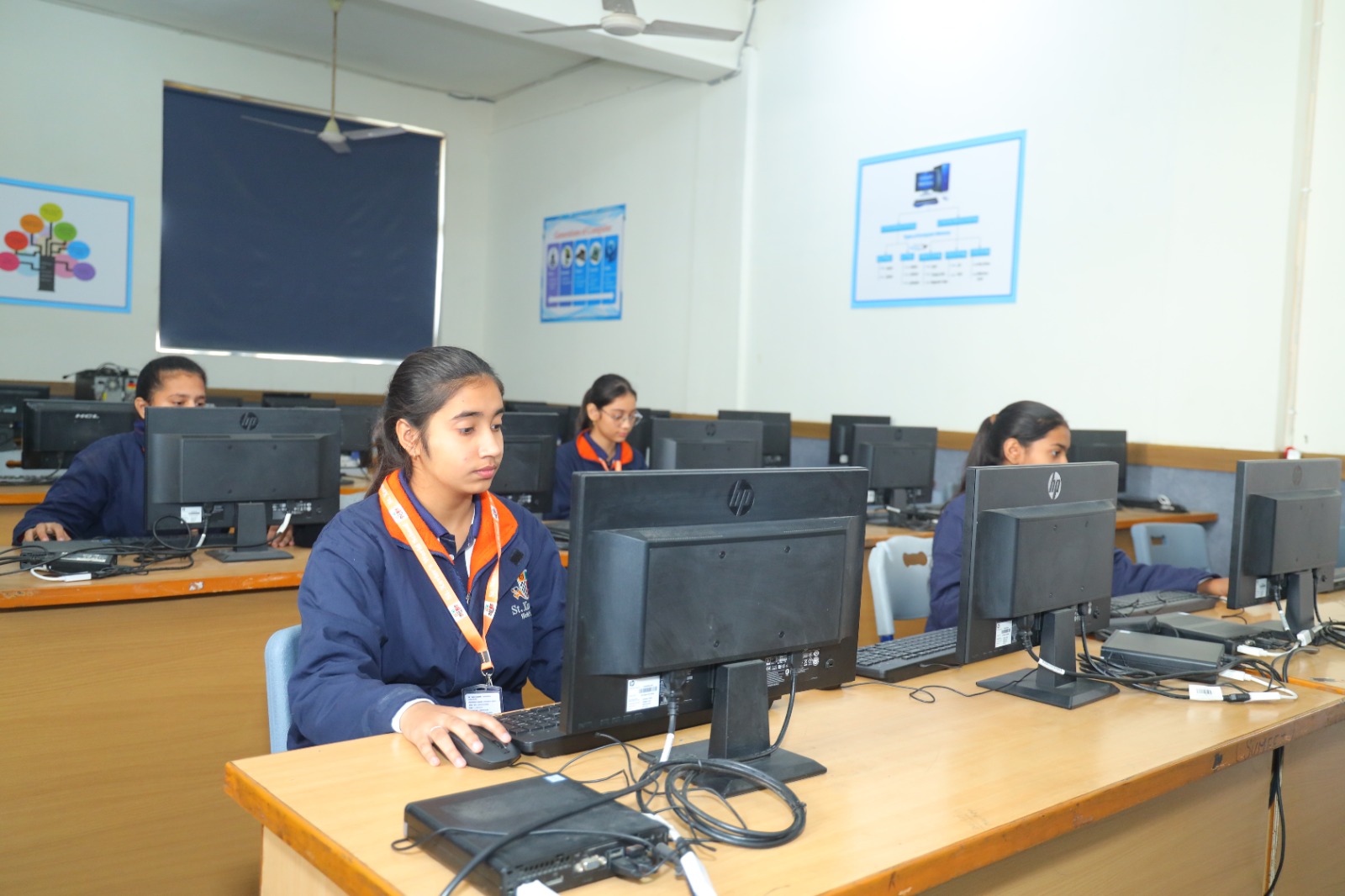
Navigating the Digital World
Navigating the Digital World: How Students Can Engage with Social Media Responsibly at School
Should Social Media Be Part of the School Curriculum?In today’s technology-driven world, social media is no longer optional—it is a part of everyday life. From news updates and global conversations to entertainment and learning, students are constantly exposed to digital platforms. The important question is not whether young people will use social media, but how they will use it.
The short answer is yes—social media education should be part of the school curriculum. Schools offer a structured, informed, and supervised environment where students can learn how to engage with social media safely and effectively. As society, careers, communication, and global connections evolve, education must reflect these changes. Teaching students to navigate digital spaces responsibly is essential for their wellbeing, future opportunities, and personal development.
At St. Xavier’s World School, Ghaziabad, we believe in preparing students not only for examinations but for life. Digital literacy, including responsible social media engagement, is now a key component of holistic education.
Understanding the Risks and RealitiesSocial media certainly has its challenges. It can expose students to cyberbullying, misinformation, unhealthy comparisons, and harmful or toxic content. The rapid flow of information—both real and fake—can overwhelm young minds. Influential personalities may spread misleading or damaging narratives, and excessive usage can impact mental health and emotional wellbeing.
However, banning social media entirely is neither practical nor productive. When something is restricted without explanation, curiosity often increases. Instead of ignoring or suppressing the issue, schools and families must address it directly. By turning social media into a subject of discussion and learning, we can help students develop awareness, critical thinking, and selfregulation.
Uncertainty is part of the digital age. The best way to manage it is through education, open dialogue, and clear boundaries.
Creating Space for ConversationOne of the most effective ways to engage students with social media at school is through discussion. What are they scrolling? What trends are influencing them? How do certain posts make them feel? These conversations can be incorporated into life skills sessions, PSHE discussions, assemblies, and classroom dialogues.
At St. Xavier’s World School, we encourage responsible digital conversations where students can reflect on the content they consume. Teaching them to question what they see—Who created this? What is the intention? Is it credible?—helps them build digital resilience.
Just as we teach responsibility in academics, we can teach responsibility in digital behaviour. Boundaries regarding what, how, and when students use social media are essential. Structured guidance empowers students to make informed decisions rather than impulsive ones.
Social Media as a Tool for LearningWhile often criticized, social media has also brought positive change. It has amplified conversations around equality, inclusion, mental health awareness, and global citizenship. It has connected communities across continents and allowed individuals to share diverse lived experiences.
These developments present powerful learning opportunities. Students can:
Analyse online campaigns related to social justice or environmental issues Study digital storytelling techniques Evaluate online news sources for credibility Discuss how online activism influences real-world change
Such activities enhance media literacy and critical thinking skills while connecting classroom learning to real-world contexts.
Building Digital CommunitiesSocial media is one of the primary ways communities are built in the 21st century. While in-person interaction remains irreplaceable, digital platforms can extend classroom learning beyond school walls.
Students can collaborate with peers from different regions, participate in global discussions, and access a wider range of educational resources. Virtual exchanges and supervised digital projects can foster cross-cultural understanding and broaden perspectives.
The pandemic demonstrated that learning communities can exist both physically and virtually. When guided appropriately, social media can support collaborative learning and global engagement.
Preparing Students for Future CareersWhat once seemed like a casual hobby—scrolling through content—has evolved into a multibillion- dollar industry. Careers in digital marketing, content creation, data analysis, brand management, and online entrepreneurship are rapidly expanding.
By teaching students how social media platforms function, how algorithms influence content, and how digital branding works, schools prepare them for future opportunities. Social media also unlocks new dimensions of creativity—design, storytelling, video editing, communication, and innovation.
At St. Xavier’s World School, we believe that equipping students with digital literacy skills enhances their readiness for a globally connected and technology-driven workforce.
Encouraging Positive Digital CitizenshipSocial media can be a space for positive activism and meaningful change. Students can learn how to use platforms responsibly to raise awareness, support causes, and promote kindness.
Engaging students in projects that explore online safety, respectful communication, and digital empathy fosters responsible citizenship. Encouraging them to research initiatives that aim to make social media safer helps them become informed change-makers rather than passive users.
Education in digital citizenship empowers students to contribute positively to online communities.
The Role of Teachers and ParentsFor social media education to be effective, teachers and parents must work together. Schools should invest in professional development and provide educators with time and resources to address digital literacy confidently.
Parents also play a crucial role. Conversations at home about what children watch, read, and share online are essential. Rather than fearing social media, adults can learn alongside children, guiding them through both opportunities and challenges.
While technology companies must take responsibility for platform safety, parenting and teaching remain powerful influences in shaping responsible users.
Conclusion: Turning Screens into OpportunitiesSocial media is an undeniable part of modern life. Ignoring it will not protect students; educating them will. By creating safe spaces for discussion, setting boundaries, teaching critical evaluation, and highlighting positive possibilities, schools can transform social media from a source of concern into a tool for growth.
At St. Xavier’s World School, Ghaziabad, we are committed to nurturing informed, responsible, and confident digital citizens. When guided thoughtfully, social media can become not just a platform for scrolling—but a platform for learning, connection, creativity, and positive change.