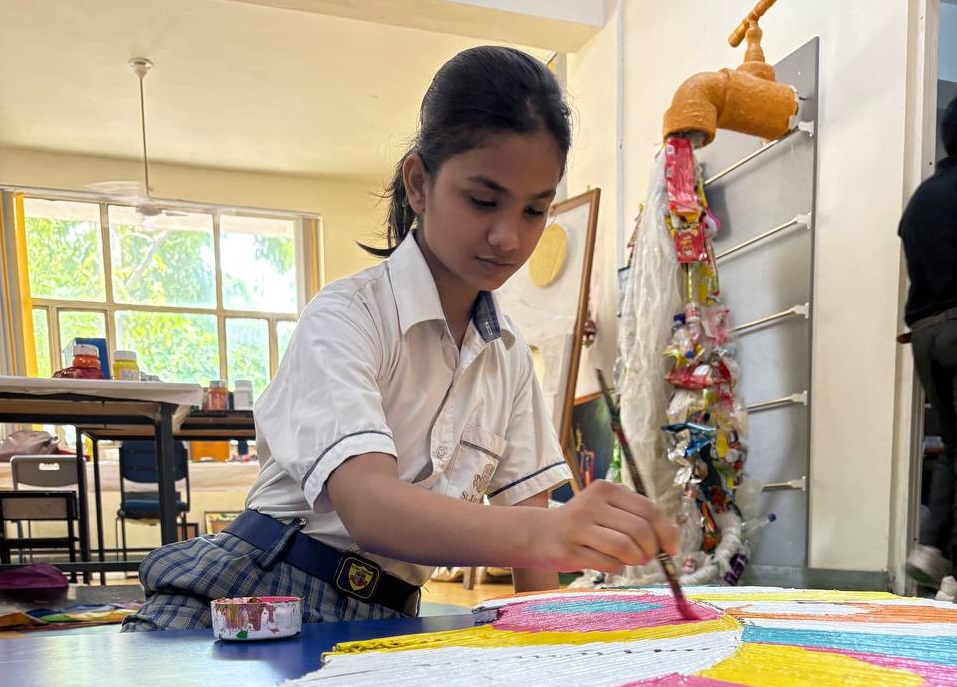
Success Without Stress
Success Without Stress: How St. Xavier’s World School Nurtures Confident, Happy and Future-Ready Learners
Introduction: Redefining Success in Modern EducationFor many years, success in school has been measured by marks, ranks, and examination results. While academic achievement is undoubtedly important, it is only one aspect of a child's overall development. In today's rapidly changing world, true success means raising students who are knowledgeable, emotionally resilient, socially responsible, physically healthy, and confident enough to embrace challenges.
At St. Xavier's World School, Ghaziabad, we believe that education should inspire excellence without creating unnecessary stress. Every child deserves an environment where they are encouraged to achieve their best while enjoying the journey of learning. Our approach focuses on balancing academic rigor with emotional well-being, helping students grow into capable and compassionate individuals.
What Does Real Student Success Look Like?
Success is much more than scoring high marks. It is about equipping students with the skills and confidence they need to thrive in school and beyond.
A successful student is someone who:
Understands concepts instead of memorising them.
Thinks critically and solves problems independently.
Communicates confidently and respectfully.
Learns from mistakes and setbacks.
Demonstrates empathy, responsibility, and integrity.
Maintains physical and emotional well-being.
Academic excellence remains an important goal, but it should never come at the cost of a child's happiness, curiosity, or self-esteem.
The Difference Between Healthy Expectations and Unhealthy Pressure
Every child benefits from goals, routines, and discipline. Healthy expectations motivate students to strive for excellence, while unhealthy pressure creates fear and anxiety.
Healthy expectations encourage students to:
Work consistently.
Develop good study habits.
Accept challenges positively.
Learn from mistakes.
Unhealthy pressure, however, often makes students feel that their worth depends solely on their performance. Instead of enjoying learning, they begin to fear failure and constantly worry about disappointing others.
Education should motivate students to grow-not overwhelm them.
Recognising the Signs of Unhealthy Academic Pressure
Academic pressure is not always obvious. Sometimes it develops gradually through everyday situations.
Some common signs include:
Constant Comparisons
Comparing children with classmates, siblings, or relatives can damage self-confidence. Every child has unique strengths, interests, and learning styles.
Fear of Making Mistakes
Students who fear failure often hesitate to ask questions or attempt challenging tasks. They begin to see mistakes as weaknesses rather than opportunities to learn.
Overloaded Schedules
When children move from school to coaching classes, homework, and extracurricular commitments without adequate rest, they may become physically and emotionally exhausted.
Emotional Withdrawal
Changes such as irritability, anxiety before examinations, difficulty sleeping, loss of enthusiasm, or statements like "I'm not good enough" should never be ignored. These may indicate that a child is struggling with excessive pressure.
Why Learning Thrives in a Positive Environment
Fear may occasionally produce short-term results, but it rarely builds lasting success.
Students who learn under constant pressure often:
Memorise instead of understanding.
Lose curiosity and creativity.
Develop anxiety around examinations.
Become reluctant to explore new ideas.
On the other hand, students who feel emotionally supported develop confidence, resilience, and a genuine love for learning. They become more willing to ask questions, think independently, and embrace challenges.
A positive learning environment encourages students to perform because they want to learn-not because they are afraid of failing.
The School's Role in Creating Balanced Learners
Schools play a vital role in helping students achieve success without unnecessary stress.
At St. Xavier's World School, Ghaziabad, we believe that balanced education combines academic excellence with emotional well-being and holistic development.
Our approach includes:
Supportive Teaching
Teachers provide continuous guidance, constructive feedback, and personalised attention. Assessments are used as tools for improvement rather than merely measuring performance.
Encouraging Curiosity
Students are encouraged to ask questions, participate in discussions, and explore concepts through experiential and inquiry-based learning.
Holistic Development
Sports, performing arts, literary activities, debates, cultural programmes, and leadership opportunities help students discover talents beyond academics while building confidence and teamwork.
Emotional Well-being
Creating a safe and respectful classroom environment enables students to express themselves freely and seek support whenever needed.
Parents: The Child's First Learning Partners
Parents play an equally important role in shaping a child's attitude towards learning.
Simple changes in communication can make a significant difference.
Instead of asking:
"How many marks did you score?"
Ask:
"What did you learn today?" or "Which topic did you enjoy the most?"
These conversations shift the focus from performance to progress.
Parents can also support children by:
Appreciating effort as much as results.
Avoiding comparisons with others.
Encouraging regular routines that include study, play, and adequate sleep.
Listening patiently when children face academic or emotional challenges.
When school and parents work together, children feel more secure, motivated, and confident.
Building Inner Confidence for Lifelong Success
The strongest foundation for achievement is self-belief.
Children who believe they can improve are more willing to work hard, overcome setbacks, and embrace new opportunities.
Schools can nurture this confidence by:
Celebrating improvement and perseverance.
Recognising positive behaviour and effort.
Teaching students to set realistic goals.
Helping them view mistakes as valuable learning experiences.
When students learn that progress matters more than perfection, they develop resilience-a quality that benefits them throughout life.
Preparing Students for a Bright and Balanced Future
The future belongs to learners who can think critically, adapt to change, collaborate effectively, and maintain emotional balance. Academic excellence is important, but so are confidence, empathy, creativity, and resilience.
At St. Xavier's World School, Ghaziabad, we are committed to nurturing every aspect of a child's development. Through a balanced approach to education, we encourage students to dream big, work hard, and achieve excellence without sacrificing their well-being.
Conclusion
Success should never come at the cost of a child's happiness. The most meaningful education is one that inspires students to learn with curiosity, face challenges with confidence, and grow with resilience.
At St. Xavier's World School, we believe that every child has unique potential. By creating a supportive partnership between teachers, parents, and students, we help young learners perform to the best of their abilities while remaining confident, emotionally healthy, and prepared for the opportuni