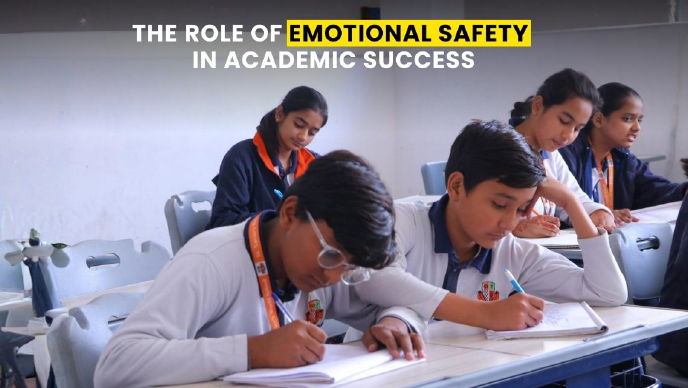
The Role of Emotional Safety in Academic Success
The Role of Emotional Safety in Academic Success
What Is Emotional Safety in Education?Emotional safety in education is a learning environment where students feel secure, respected, and accepted, allowing them to take academic risks, express emotions, and engage without fear of judgment, ridicule, or harsh punishment.
Emotional safety in education helps students to get heard, ask questions without any fear, and feel respected by their peers and teachers, leading to a way of learning without anxiety or humiliation.
Why Emotional Safety Is Important for Academic SuccessHere are some reasons defining the importance of emotional safety in academic success:
1. Improves Focus and ConcentrationWhen students feel emotionally secure, they are less distracted by fear or anxiety, helping them concentrate better and absorb lessons more effectively.
2. Encourages Active ParticipationEmotionally safe students confidently ask questions and share ideas. This active involvement strengthens understanding and academic performance.
3. Reduces Stress and Academic PressureSupport from teachers and peers helps students reduce stress and improve memory, clarity of thought, and exam performance.
4. Builds Confidence and Self-EsteemGetting respect and value from teachers and peers boosts students’ confidence and increases their willingness to take academic challenges positively.
5. Strengthens Teacher–Student RelationshipsTrust between teachers and students encourages open communication. This ensures students seek help when needed and stay on track academically.
Signs of an Emotionally Safe Classroom1. Open and Respectful Communication
When students feel emotionally safe, they start expressing their emotions in the classroom by asking more questions to the teacher without fear of being mocked or ignored, leading to more classroom discussions.
2. Freedom to Make MistakesStudents are allowed to make mistakes, as it is known as an act of learning opportunities rather than a reason for punishment or embarrassment.
3. Supportive Peer RelationshipsClassmates respect each other’s ideas and differences. Bullying, teasing, and negative behavior are not tolerated.
4. Encouraging and Constructive FeedbackTeachers provide guidance in a positive and motivating manner, helping students improve without harming their confidence.
Emotional Safety at St. Xavier’s World SchoolAt St. Xavier’s World School, emotional safety is a key part of the learning environment. The school fosters a culture of respect, empathy, and open communication, ensuring that every student feels valued and heard in the classroom.
Teachers guide students with patience and understanding, encouraging them to express their thoughts freely without fear of judgment. Constructive feedback and positive reinforcement help build confidence while maintaining academic discipline.
The school also promotes inclusivity and strong peer relationships through collaborative activities, discussions, and value-based education. By creating a safe and supportive atmosphere, St. Xavier’s World School ensures that students can focus on learning, grow emotionally, and achieve academic excellence.
People Also Read: Introduction to Innovation in Modern Education
Long-Term Impact of Emotional Safety on Students 1. Stronger Academic Performance Over TimeWhen students get a free and friendly environment, they ask more questions to the teacher, helping them explore and learn more, leading to a better overall academic performance over time.
2. Development of Emotional IntelligenceAs there is no pressure or stress in the classroom, students grow faster both physically and emotionally. This builds empathy, self-awareness, and better interpersonal skills.
3. Increased Confidence and Leadership SkillsConfident students are more likely to take initiative, lead teams, and participate in public activities. These traits benefit them in higher education and future careers.
4. Better Stress Management and ResilienceChildren who feel supported express themselves effectively, leading to less stress, helping them navigate academic and personal difficulties successfully.
5. Healthy Relationships and Social SkillsGrowing up in a respectful environment teaches students cooperation, communication, and mutual respect; skills essential for lifelong success.
Conclusion: Emotional Safety in Academic SuccessEmotional safety is not just a supportive feature of education; it is the foundation of the student’s future. When students feel respected, heard, and valued, they develop the confidence to ask questions, participate actively, and take intellectual risks without fear, leading to enhanced focus, strengthened relationships, reduced stress, and ultimately leading to consistent academic growth.
At St. Xavier’s World School, emotional well-being is given equal importance alongside academic excellence. By nurturing a safe, inclusive, and respectful learning atmosphere, the school ensures that every child grows not only as a high achiever but also as a confident and emotionally intelligent individual.
If you are looking for a school that prioritizes both academic success and your child’s emotional development, contact St. Xavier’s World School today and discover how we create a secure foundation for lifelong learning and achievement.
FAQs: Emotional Safety in Academic Success 1. What is the concept of emotional safety?Ans: Emotional safety is a state where you feel free, heard, respected, and accepted, and engage without fear of judgment, ridicule, or harsh punishment.
2. Why is emotional safety important in the classroom?Ans: Emotional safety is important in classrooms as it helps improve focus and concentration, encourages active participation, reduces stress and academic pressure, builds confidence, and strengthens teacher–student relationships.
3. How do emotions affect academic performance?Ans: Students prone to anger or anxiety may perform poorly because these emotions decrease their motivation for learning and engaging in classroom activities.