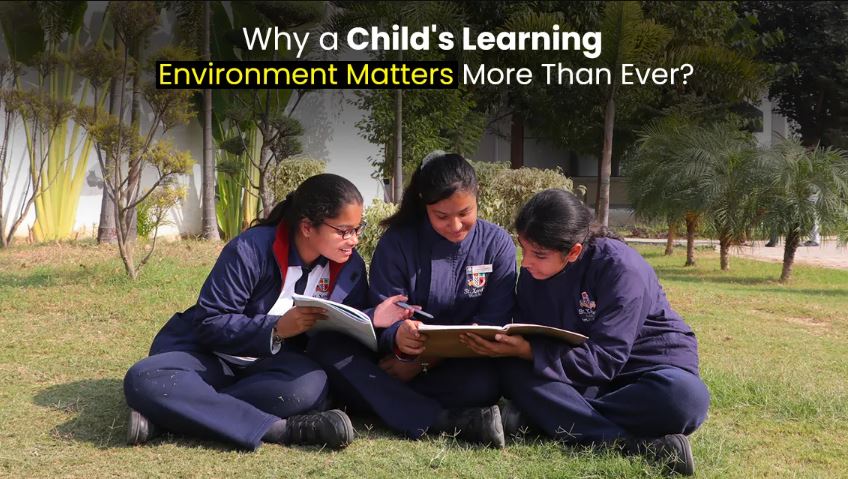
Child Learning Environment
The Importance of a Child’s Learning Environment in 2026
Introduction: Why a Child's Environment Matters More Than Ever
A child's learning environment plays a significant role in shaping how they think, learn, and interact with the world around them. From the classroom they study in to the people they interact with daily, every aspect of their surroundings influences their academic performance, confidence, and overall development.
In 2026, education is not just limited to the classroom. Students are expected to learn from their everyday lives and to develop critical thinking, creativity, communication skills, and emotional intelligence alongside academic knowledge.
A strong learning environment helps students stay engaged, build meaningful relationships, and develop the confidence to explore new ideas. In this video, we’ll talk about the importance of a child’s learning environment.
Why a Positive Learning Environment Is Important in 2026
Here are reasons why a positive learning environment is important for children:
1. Supports Academic GrowthWhen students learn in an environment where they feel encouraged and positive, the learning process becomes easier to understand, helping students stay focused, participate actively, and understand concepts effectively.
2. Builds Confidence and Self-EsteemChildren, when given a supportive environment, feel free and comfortable, which helps them ask more questions in the classroom. This confidence encourages them to take on challenges, learn from mistakes, and become independent learners.
3. Promotes Emotional Well-BeingA safe learning environment helps students manage stress, build resilience, and develop a positive attitude toward learning.
4. Encourages Creativity and Critical ThinkingModern school education requires students to go beyond textbooks. A positive environment encourages curiosity, innovation, and problem-solving, helping students develop the skills needed for the future.
5. Develops Social and Communication SkillsWhen students are in a better environment with their teachers and peers, they build stronger relationships, which helps them develop social and communication skills.
People Also Read: Deep Learning vs Surface Learning
Key Elements of a Positive Learning Environment
A positive learning environment requires key elements that make it positive and productive for students. Here are some elements that you need to know:
1. Supportive and Qualified TeachersAfter parents, teachers are the ones who take care of children, and they are their role models. When teachers are approachable, patient, and encouraging, students feel comfortable asking questions, sharing ideas, and learning from their mistakes.
2. Safe AtmosphereStudents learn best when they feel safe, respected, and accepted. An environment where every student is valued the same, regardless of their background, encourages participation and helps students develop a sense of belonging.
3. Interactive Learning MethodsWhen students are in a one-way lecture, they get bored and lose interest in studying, but when they ask questions or are questioned, it helps them stay engaged throughout the study session.
4. Positive Peer RelationshipsHealthy relationships with classmates contribute significantly to a child's development. When students have a strong bond with their friends and teachers throughout their academic years, they stay in touch with them even after completing school.
5. Modern Learning ResourcesSchools with better extracurricular activities outside the classroom, such as well-equipped classrooms, libraries, technology, laboratories, and creative learning spaces, enhance students’ educational experience, encouraging them to explore, experiment, and develop practical skills alongside academic knowledge.
How Parents Can Evaluate a School's Learning Environment
When finding the right school for students, parents should observe whether students feel comfortable participating in class, asking questions, and interacting with teachers. A positive classroom atmosphere often reflects a healthy and supportive learning environment.
Understanding a school's teaching approach and how it supports student growth helps students go beyond textbooks and examinations. It also encourages them to learn critical thinking, creativity, practical learning, and student engagement.
Parents should also evaluate the school's overall culture, safety, and opportunities for holistic development. Activities such as sports, arts, leadership programs, and collaborative projects contribute to a child's confidence and personal growth.
Creating the Right Learning Environment at St. Xavier's World School
At St. Xavier's World School, creating a positive and supportive learning environment is at the heart of the educational experience. The school focuses on providing a safe, inclusive, and engaging atmosphere where every student feels valued, respected, and encouraged to reach their full potential.
Through interactive teaching methods, activity-based learning, and strong teacher-student relationships, students are motivated to stay curious, actively participate, and enjoy their learning journey. The school encourages curiosity, creativity, and critical thinking, helping students develop both academic excellence and essential life skills.
St. Xavier's World School also believes in the importance of holistic development. By offering opportunities in academics, sports, arts, and co-curricular activities, the school ensures that students grow into confident, responsible, and well-rounded individuals prepared for future challenges.
Conclusion: The Importance of a Child’s Learning EnvironmentCreating a safe environment for a child helps ensure academic success, emotional well-being, confidence, and overall development. Education in 2026 is not just about inside the textbooks it’s about creating a supportive environment that encourages curiosity, creativity, critical thinking, and personal growth.
As a parent, when you are looking for a school, you should look for one that provides a safe, inclusive, and engaging atmosphere. A positive environment inspires students to become confident learners, effective communicators, and responsible individuals.
At St. Xavier's World School, we are committed to creating a nurturing and engaging learning environment where every child feels supported, valued, and empowered to succeed. Contact St. Xavier's World School to help your child thrive academically, socially, and personally through a holistic approach to education.
FAQs: Importance of a Child’s Learning Environment1. Why is the environment important for children's learning?
Ans: A right environment helps children feel comfortable and safe and leads to better communication and academic success.
2. What is a good learning environment for children?
Ans: A good learning environment for children is where they can have secure relationships with their teachers and peers, where they feel safe and free to explore and learn.